
Bad breath – what causes it and how to get rid of it
Most people experience bad breath at some point, but the problem is usually easier to deal with than you might think. The odour almost always comes from bacteria in the mouth – on the tongue, along the gumline and in the throat – and the right routine can help keep it under control. Here's what to do.

What causes bad breath?
The odour comes from bacteria in your mouth. These bacteria are found on the tongue, along the gumline and further back in the throat. When they break down proteins, sulphur-containing gases are released – and these are responsible for the smell. The problem becomes worse when your mouth is dry, such as after sleeping, during periods of stress or when certain medications reduce saliva production. Strong-smelling foods such as garlic and certain spices, as well as coffee and alcohol, can also cause temporary bad breath. Smoking and snus can have the same effect.
Does bad breath come from the stomach?
It's a common belief, but in the vast majority of cases bad breath originates in the mouth and throat rather than the stomach. That's why your oral care routine is the best place to start when you want to tackle the problem.
Can't smell your own breath? That's normal
Most people find it difficult to judge the smell of their own breath because the nose becomes accustomed to odours it is constantly exposed to. Ask someone you trust, or simply make sure you maintain a good oral care routine.
5 ways to get rid of bad breath
- Brush thoroughly – twice a day. Clean your teeth and gums morning and evening with a good toothpaste, and use dental floss to remove food particles between the teeth where bacteria can thrive.
- Clean your tongue. A large proportion of the bacteria responsible for bad breath are found in the coating on the tongue. A tongue scraper removes this coating in seconds – make it part of your morning and evening routine. Cleaning the tongue is one of the most effective ways to combat bad breath.
- Finish with mouthwash. Mouthwash reaches areas that are difficult to access with a toothbrush and provides an immediate feeling of freshness. Use it as a complement to brushing, not as a replacement.
- Review your habits. Smoking and snus can contribute to both bad breath and stained teeth – another good reason to quit. Remember that garlic, strong spices, coffee and alcohol can also affect your breath for some time after consumption.
- Drink water and eat regularly. Dry mouth is a common cause of bad breath. Water helps rinse away bacteria and keeps the mouth moist, while regular meals and sugar-free chewing gum stimulate saliva production.
-
 Life TimeTongue Cleaner - For a fresher breath$2.90$8-64%Lowest price in the last 30 days: $2.90
 -
 Brilliant SmileWhitening Evo Toothpaste 65 ml$20
 -
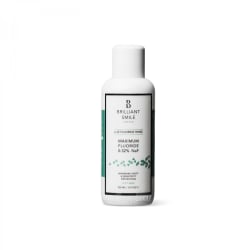 Brilliant SmileO.32 Munvatten$13
 -
 Brilliant SmileToothbrush$4
 -
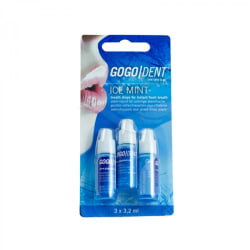 OthersICE MINT Mouth Drops 3 X 3,2 ml$4.70
 -
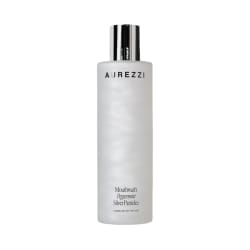 AurezziMouthwash Peppermint Silver Particles$35
If the problem doesn't go away
If bad breath persists despite good oral hygiene, it may be caused by gum problems, tooth decay or another condition requiring professional care. Make an appointment with your dentist or dental hygienist for an examination and cleaning. Regular dental visits are an important part of a good oral care routine.
Get started with your routine
You'll find everything you need in our range of oral care: toothbrushes, toothpaste and mouthwash.