The best perfumes
- From every fragrance family
Written by Glenn Lauritz Andersson & Denis Vasilije, fragrance experts
Perfumes are often divided into different groups or categories, commonly referred to as “fragrance families”. They are defined by the dominant characteristics of a scent and are usually based on the French system. However, each family often contains several subcategories, and boundaries between them can sometimes blur. Here, our fragrance experts attempt to select the very best from each category.

Summary
-
Having one great perfume from each fragrance family gives you maximum flexibility in style and expression.
-
Variation between fragrance families allows you to match your scent to occasion, mood, or season.
-
Understanding fragrance families makes it easier to discover a personal scent signature that stands out.
Citrus
Citrus fragrances are far more diverse than many people realise. Beyond pure citrus compositions, there are many variations where citrus is complemented – or even overshadowed – by other character notes. Here are two excellent examples.
Citrus/woody: It’s hard to overlook Profumum Roma’s Acqua Viva – it doesn’t get more citrus than this, despite subtle support from barely noticeable cedarwood. With an impressive 43% pure oil and an Amalfi lemon that seems almost impossible to wash off, it truly stands out, as citrus fragrances are usually light and fleeting. A citrus explosion that remains clean and refreshing.
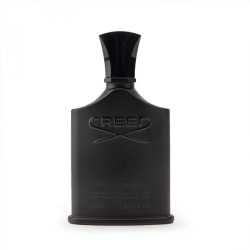
Citrus – green/spicy/floral: In this subcategory, citrus is enhanced by spicy, sometimes powdery floral notes. These compositions often feel green, where freshness is softened by herbal florals, and they can even be mistaken for a fougère, such as Creed’s Green Irish Tweed.

Floral
Within the floral category, it may come as a surprise that eccentric perfumer Alessandro Gualtieri has created one of the most romantic floral fragrances on the market: Narcotic Venus from his own brand Nasomatto. Overflowing with jasmine, tuberose and lilies, yet never becoming soft or meek – after all, it’s Alessandro. In the same category we also find Almond from Abu Dhabi–based Rose Arabia (a Widian offshoot), where almond provides an unexpected contrast to the floral tuberose.



Woody
Woody notes appear in most perfumes, often in the base to provide depth and structure. However, some fragrances are built entirely around different types of wood. One of the purest examples is Profumum Roma’s Arso – a symphony of raw wood fibres.
Woody/spicy: A favourite in this category is Nasomatto’s Duro, where wood almost dissolves into spices such as saffron. One of the finest masculine evening and statement fragrances available.


Chypre
Chypre fragrances are often associated with forest notes combined with citrus – particularly bergamot – and spices. Introduced as a fragrance family by François Coty in 1917, they are commonly linked to classic, old-school masculine perfumes, such as Chypre Azural from Les Indomodables.
Fougère
Fougère (fern in French) is another historic fragrance family, offering a classic masculine feel with notes of forest, wood and moss. Lavender and oakmoss are fundamental elements across its subcategories.
Green fougère: Creed’s Green Irish Tweed is one of the most enduring icons – an herbal, almost grassy fougère that is sporty yet refined and timeless.
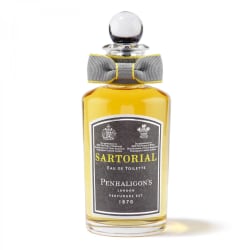
Aromatic fougère: Here, lavender plays a more prominent role and compositions become richer, as in Penhaligon’s Sartorial – a complex fragrance evoking tailoring, oils, beeswax and metallic nuances.

Oriental
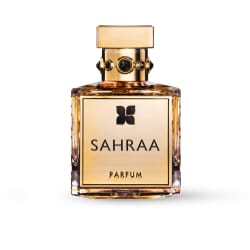
The oriental category features more exotic compositions, with notes such as oud, spices, honey, myrrh, cardamom and incense. A softer, smoother oriental with a strong Eastern character is Penhaligon’s Halfeti. More aromatic orientals include Widian Sahara, while Fragrance du Bois Sahraa offers a darker, more animalic and luxurious oud interpretation.
Rose can also play a prominent role in oriental fragrances, often blended with dark spices and woods to create an exotic unisex expression.



Leather
Leather fragrances have become increasingly popular – also among women. From smoky interpretations like Orto Parisi’s Cuoium to more elegant and refined styles such as Xerjoff’s Tony Iommi Deified, New Notes New Leather and the green-tinged Pelagos from Dusita. For bold, vintage-inspired leather, few are as expressive as Francesca Bianchi’s The Black Knight.


Aquatic/marine
Aquatic or “ozonic” fragrances are a relatively new family, characterised by fresh, marine impressions of sea air, salt and freshly showered skin. Profumum Roma’s Acqua di Sale is an extreme example, where salt and ozone transport you instantly to a fishing harbour or coastal setting.
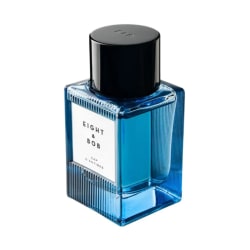
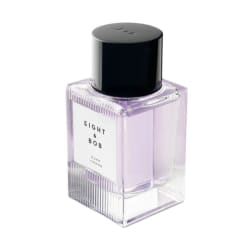
Aquatic/aromatic: Cap d’Antibes from Eight & Bob is one of the finest interpretations, combining marine notes with fruity sweetness, mint, violet leaf and herbs. A lighter alternative from the same house is Pure Vienne.

Sweet/gourmand
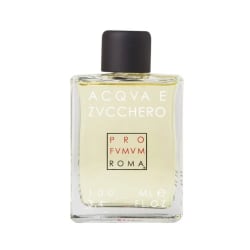
Sweet/fresh/fruity: Vanilla-based fragrances that balance sweetness with freshness and fruitiness – Profumum Roma’s Acqua e Zucchero being a prime example – show that bold sweetness can still work in warm weather.
Gourmand: Floraïku’s One Umbrella For Two is a clear star, creating the illusion of freshly baked dessert using just a few notes. Other “edible” creations include Velvet Mokka from QOT.