
Winter skin
As winter tightens its grip, many experience a troublesome period of dry, irritated skin with itching, redness and flaking. Let’s take a closer look at how you can address the challenges that winter skin brings.

Summary
-
Winter skin occurs when cold air, low humidity and indoor heating cause the skin to become dry and irritated.
-
Gentle cleansing and generous moisturising are key to strengthening the skin barrier and preventing issues.
-
Choose mild formulas with extra hydrating properties to keep the skin soft and resilient throughout winter.
During cold winter days, the air is often drier, which affects the skin’s moisture balance and causes it to lose hydration more quickly. Diet, exercise and a generally healthy lifestyle naturally play an important role in giving the skin the best possible conditions, as does quality sleep.
That said, there is also a great deal you can do simply by choosing the right products and supplementary care for the face, body and hands. During the winter months, more intensive products are often needed compared to summer, in order to provide extra moisture and counteract dryness and irritation — and in some cases, products that are especially gentle on sensitive skin. A little guidance can go a long way.
#1 Facial cleansing
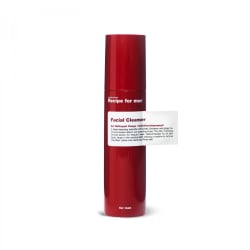
Using a cleanser that does not dry out the skin is always a top priority — but never more so than in winter, when the risk of dehydration is higher. The mild, lightly exfoliating Daily Facial Cleanser from Truefitt & Hill is an excellent choice, as it both softens the skin and is well suited for sensitive skin. Gents Skin Cleanser works for all skin types, cleanses deeply and is particularly gentle on sensitive skin thanks to its completely fragrance-free formula.
Cleanse the face and neck both morning and evening, and avoid massaging too vigorously, as this can stimulate unnecessary oil production. Rinse with lukewarm water to help neutralise the skin. When drying your face, gently pat it dry instead of rubbing to avoid irritation.

#2 Moisturise!
Moisturising with a cream is essential, regardless of the season. If you notice that your skin changes with the time of year, look for products suitable for all skin types, such as Gents Skin, or richer creams with intense hydration from specialist brands designed specifically for dry and tired skin. A good winter moisturiser protects the skin barrier, restores moisture, improves elasticity and contains antioxidants.
A helpful tip is not to dry your skin completely after cleansing, but to leave it slightly damp when applying your moisturiser (note: this also applies to the body after showering). This helps the skin absorb the nourishing cream more effectively.

#3 Remove dry and dead skin cells
Try using a mild scrub 1–2 times per week. This helps the skin appear fresher and makes it more receptive to the caring ingredients in your moisturiser. Dead skin cells can otherwise block the skin’s ability to retain moisture and may also allow bacteria to enter the pores. Regular exfoliation can also reduce the risk of ingrown hairs.
It’s important not to massage too harshly when using a grain-based exfoliant, as this can irritate already sensitive skin.

#4 Shorter, more effective showers — and less heat
Try to keep showers as short as possible and focus on the most important areas of the body rather than thoroughly cleansing every part every day. Also, avoid very hot water. While a hot shower can feel wonderful on a cold winter morning, excessively hot water dries out the skin and strips away the essential oils that function as the skin’s protective barrier.
The rich, moisturising and beautifully scented shower gel Black Oak from Benjamin Barber comes highly recommended. It’s also available in the popular scents Saffron & Leather and Oud. Body lotion should not be overlooked during winter either. If you enjoy Benjamin Barber’s shower gel, you may want to choose the corresponding body lotion in the same fragrances. Excellent nourishing body creams are also available from Molton Brown.



#5 Hands: focus on moisture
Winter is peak season for colds and flu, and using hand sanitiser is convenient when soap and water aren’t available. However, hand sanitiser can be drying and is not always as effective against bacteria as many believe. According to medical professionals, soap and water are often more effective. Hands are also particularly exposed during winter and can become so dry that the skin cracks. A moisturising hand sanitiser, gentle hand soap and extra moisture in the form of hand creams are key here.
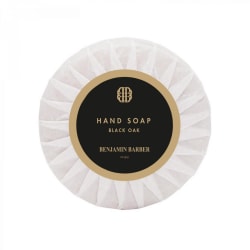
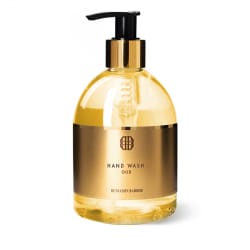

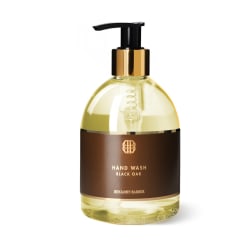
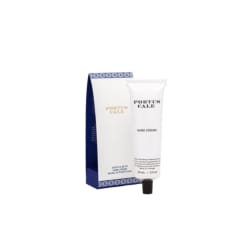
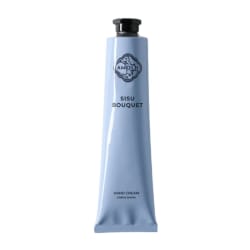
If you’re looking for rich hand creams with pleasant scents, Benjamin Barber and Molton Brown are reliable choices, both offering liquid hand soaps in matching fragrances. We also recommend the Portuguese brand Castelbel and the Swedish brand Amoln for their long-lasting, beautifully scented and softening products.
Another great tip to protect your hands from cold and dryness: wear gloves!

#6 Sun protection
Sun protection is often associated with summer and the beach, but the sun can be just as harsh on clear winter days. Combined with dry air, a moisturiser with SPF is at least as relevant during the darker months — not least because the combination of UV exposure and dryness accelerates skin ageing.
Hopefully, your skin is now ready for winter. And you — don’t forget your lips!
