
women’s vs. men’s fragrance
On the concept of unisex and its role in niche perfumery
Written by Glenn Lauritz Andersson & Denis Vasilije, fragrance experts
Most people are used to fragrances being categorized as either men’s or women’s, but within the niche world this division is increasingly fading. Even brands that traditionally separate their collections by gender now encourage their fragrances to be worn by anyone. Here’s how and why.

Summary
-
The division between men’s and women’s fragrances remains in retail, but more people choose scent based on personal taste rather than gender.
-
Many perceived differences in fragrance profiles are rooted in marketing and cultural norms rather than technical rules of perfumery.
-
Unisex and niche fragrances highlight how scent preferences are becoming increasingly individual, with the same fragrance developing differently on different people.
A glance at perfume shelves quickly reveals labels such as “For Men” or “Pour Homme” alongside “For Her” or “Pour Femme”. Especially among designer brands, this categorization has long been taken for granted. But change is underway. Within the niche segment—independent brands focused solely on fragrance—traditional ideas of gender and identity are increasingly being questioned.
This shift stems from a modern fragrance culture centered on individuality. The goal is to find a scent that feels like an extension of yourself rather than a predefined category. This philosophy is reflected both in composition and marketing. Niche fragrances often use purer oils that behave differently on different skin types.
That said, many perfume houses still maintain gender divisions, particularly in older, classic lines. At the same time, there is a return to classic designer aesthetics paired with niche quality, such as with German brand Birkholz, where the wearer decides.


Sharing the same fragrance between men and women has become increasingly common, as notes can develop very differently depending on skin chemistry. Floral or sweet notes may be amplified on some, while woods or tobacco emerge more strongly on others.
Men seeking floral fragrances and women choosing heavy leather scents is no longer unusual. This freedom allows perfumers to explore creativity without constraints.
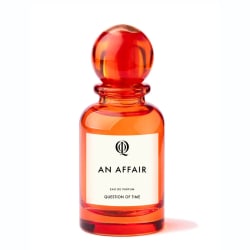

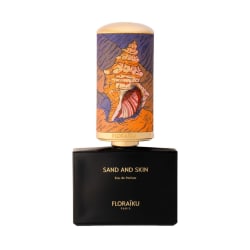
Notes like cherry often have a strong following among women, but when combined with dark base notes they can perform beautifully on male skin. The same applies to almond or rose when paired with spices, oud or dark woods, creating a distinctly unisex character.

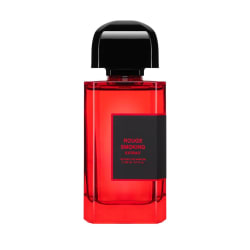


Ultimately, you set the rules yourself—a philosophy that also defines how we approach fragrance at Gents.