
LENGLING
When opposites become the signature of fragrance
Written by fragrance expert Glenn Lauritz Andersson
In Munich, Ursula and Christian Lengling have built a perfume house where opposites are not softened but allowed to define the whole. LENGLING is constructed in the tension between two energies – LENG and LING – where balance emerges through deliberate friction.
Summary
-
LENGLING Munich was founded in 2014 and is built around a unique dual fragrance concept where two opposing forces – LENG and LING – structure every composition.
-
The house works with Extrait de Parfum concentrations, vegan raw materials and production in Munich, where precision is combined with emotional presence.
-
Each fragrance is rooted in a personal story and constructed as a dialogue between contrasts rather than following the traditional fragrance pyramid.
There are perfume houses that preserve tradition. And then there are those that choose to formulate their own structure. LENGLING Munich belongs to the latter category.
The house was founded in 2014 by Ursula and Christian Lengling. The starting point was personal: two different temperaments, two expressions, two energies. Instead of smoothing out contrasts, they chose to highlight them and turn them into method. That is where the brand’s identity takes shape. The result is what defines LENGLING today: the dual fragrance concept.
LENG and LING – an alternative way to understand fragrance
In an industry where top, heart and base notes are the norm, LENGLING has chosen a different model. Each composition is built around two main poles: LENG and LING.
The names are derived from the family name, yet they represent two opposing energies – the powerful and the soft, the cool and the sensual, the structured and the emotional. In every perfume these two sides are constructed in parallel. They meet, balance and harmonise on the skin. Think yin and yang.
The fragrances move between contrasts rather than through layers. This is what gives LENGLING a distinct identity within the niche world. The brand does not follow the traditional fragrance pyramid but instead works with its own formula and olfactory philosophy. It is an innovative way of understanding and interpreting the building blocks of perfume to create a truly unique experience.
All development and production take place in Munich. The house works with high-quality vegan fragrance oils from carefully selected suppliers and emphasises sustainable sourcing. Concentrations are at Extrait de Parfum level, often between 20 and 30 percent – giving the compositions both intensity and depth.
Personal stories as foundation
Each fragrance carries a concrete story from the founders’ lives. Journeys, memories, emotions and contrasts have been transformed into olfactory expressions. Some scents are also inspired by iconic cultural expressions of our time, such as the perfume "Skrik", a personal interpretation of Edvard Munch’s anxiety-filled painting "The Scream".
The storytelling never feels artificial but forms a natural part of the house’s structure. The fragrances are built around a fresh, elegant DNA suitable for both men and women. Clean, refined and versatile – perfect for both casual and formal settings – yet always carrying an intriguing expression that delivers a scent language distinctly LENGLING.
Aesthetic with roots
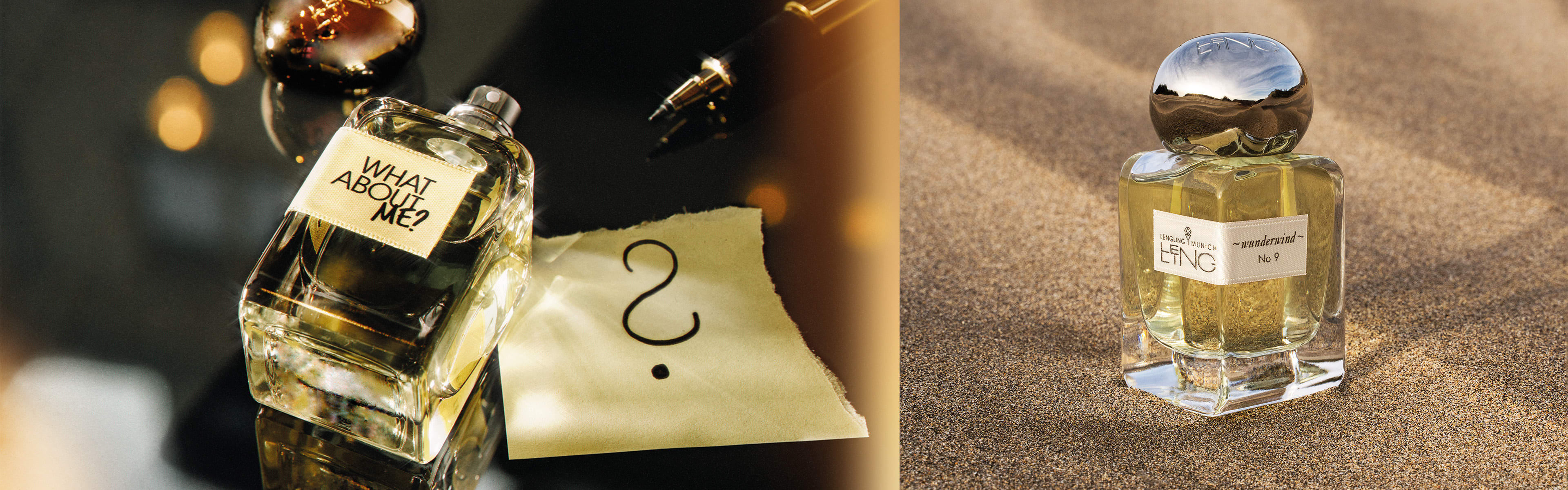
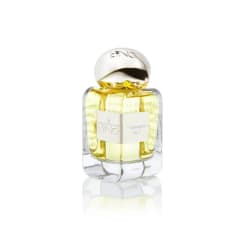
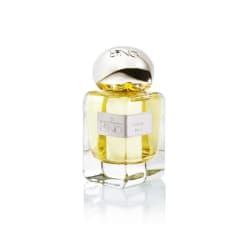
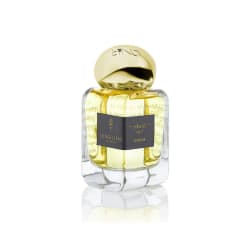
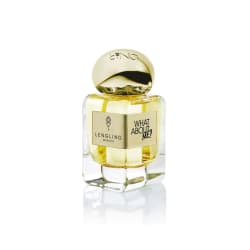
The iconic cap of the bottle – inspired by a stone from the Isar river in Munich – is more than design. It is symbolism. Cast in metal and hand-polished, it returns as a physical imprint of the house’s origin.
Quality, authenticity, elegance and exclusivity are not merely value words here. They are guiding principles – from raw material to finished bottle.
Between discipline and passion
LENGLING does not work with excess. It is not bombastic anarchy of notes that drives the house forward, but controlled intensity. It is in the meeting between LENG and LING that identity is created and becomes synthesis.
And perhaps it is precisely there, in the balance between discipline and passion, that modern perfumery finds its most compelling form.